
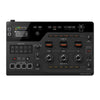
The Art of Live Remixing: Why the RMX-IGNITE Changes the Way DJs Build Energy
, by Nadim Thobhani, 6 min reading time
, by Nadim Thobhani, 6 min reading time
Live remixing has become a core part of modern DJ performance, and much of that shift comes from how today’s DJ controllers handle real-time control. Devices such as the Denon DJ Prime 4 Plus and Denon DJ SC Live 4 are now considered some of the top choices for DJs who want an all-in-one workflow without relying on a laptop.
Within that setup, systems like RMX-IGNITE extend what is already possible, giving DJs deeper control over timing, structure, and energy flow. The focus is no longer just mixing tracks, but reshaping them live.
Modern standalone controllers have changed expectations in booth performance. The Prime 4 Plus and SC Live 4 both provide layered control over decks, effects, and media libraries, allowing DJs to move beyond basic transitions.
What makes these controllers stand out is not just playback capability, but how they support performance techniques such as live looping, layered effects, and dynamic transitions.
RMX-IGNITE builds on this foundation by introducing tools that respond directly to performance decisions in real time.
Groove Roll is designed to work within fast, controller-based workflows. On systems like the Prime 4 Plus and SC Live 4, it becomes a practical way to reshape rhythm without interrupting momentum.
Instead of relying on static loops, Groove Roll allows DJs to:
· Isolate rhythmic sections and rework them live
· Extend percussive elements to build tension naturally
· Transition between tracks without losing groove continuity
· Maintain energy during complex mixing sections
On a controller setup, this means transitions become part of the performance rather than a technical bridge between tracks.
Lever FX adds a physical performance layer that fits directly into modern controller layouts. Rather than navigating menus or fixed effect chains, DJs can engage and release effects instantly.
This changes how build-ups are structured on controllers like the Denon DJ Prime 4 Plus and Denon DJ SC Live 4.
Key performance uses include:
· Gradual effect layering to increase tension before a drop
· Immediate effect removal to create sharp dynamic contrast
· Hands-on modulation of filters, delays, and stutter effects
· Faster reaction to crowd movement without interrupting flow
The result is a more expressive set where timing decisions are made physically rather than through screens.
With Groove Roll and Lever FX integrated into a controller-based workflow, set structure becomes more flexible. DJs are no longer locked into fixed arrangements or predictable transitions.
A typical approach on modern controllers might involve:
· Using Groove Roll to extend a rhythmic section and lock the floor
· Introducing Lever FX to build controlled tension
· Reshaping the transition between tracks rather than cutting it
· Dropping effects instantly to maximise impact at key moments
This method allows sets to evolve based on crowd response rather than pre-planned sequencing.
The reason the Prime 4 Plus and SC Live 4 are considered top-tier controllers is their ability to support this level of performance flexibility. Combined with tools like RMX-IGNITE, they give DJs direct control over energy flow without added complexity.
For DJs focused on live remixing, the advantage is clear: less reliance on preparation, more control in the moment, and tighter interaction with the crowd.
Live remixing is now defined by control rather than preparation. Tools like Groove Roll and Lever FX extend what is possible on modern DJ controllers, especially within systems such as the Denon DJ Prime 4 Plus and Denon DJ SC Live 4.
For DJs working in clubs, events, or mobile setups, this approach allows transitions and drops to be shaped in real time, turning standard mixing into a more responsive performance style.